

In late 2010, I was about to go for a family holiday to Korea but had difficulty passing motion; my stool was pencil thin and there was blood. I went for my holiday anyway and only consulted the doctor when I returned.
After undergoing a scope, the specialist discovered I had rectal cancer between Stage 2 and 3.
I was devastated when I heard the news. Never thought it would happen to me. I was a fairly active person and used to play squash, swim, canoe, dragon-boat, fence, box, run, and do marathons. I thought to myself that I would never be able to do many of the things that I used to be able to.
As the tumour in the rectum was very close to the anal region, I had to have it removed. This meant that I had to have a permanent stoma, which is basically connecting the end of the colon to an opening in the abdomen where the stool will be discharged. To collect the stool, I have to wear an appliance, called a stoma bag.
Managing the faecal output with the stoma bag had proven to be a challenge, especially when I had to get out of the house, but I was determined not to let it stop me from having an active fitness and social life. So I got used to emptying the stool and changing bags and wafers in public toilets.
I joined support groups in SCS, CGH, and SGH and am an active volunteer in all 3 organisations. I work full time now and dedicate one evening per week for the SCS Help the Children and Youth programme, where I tutor a Secondary 2 student.
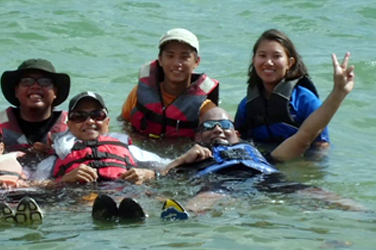
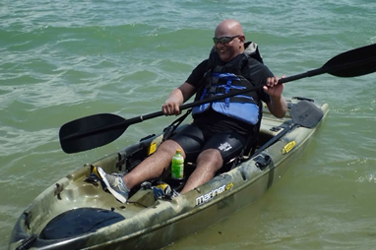
I still swim once in a while and recently took part in a kayaking event to show fellow ostomates that there are many things that we can still do.
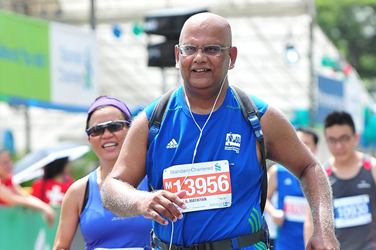
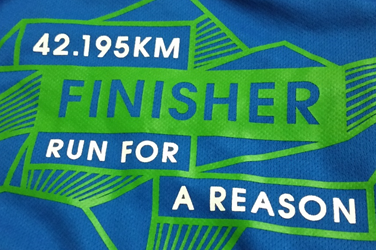
I also took up brisk walking and by the first year after my surgery, had walked a half-marathon. The following year I completed two more half-marathons. In 2014 completed a full marathon.
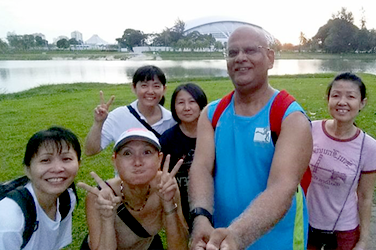
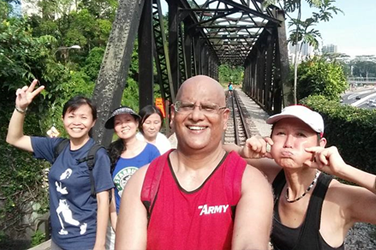
Support group members, caregivers, and members of the healthcare and welfare organisations get together for nature walks every Sunday morning. We also do walks in the city on Tuesdays evenings.
All these activities keep me occupied and give me a great sense of satisfaction and achievement. This is how I handle the change that my body has undergone and the need to wear a stoma bag for life. By sharing my story, I want to give other ostomates the hope and confidence to live life to the fullest and not to consider themselves handicapped. Life is good!
– Ellil Mathiyan, colorectal cancer survivor