

Causes of Cancer & Debunking Myths
What causes Cancer?
There is no single exact cause of cancer. Like many diseases, cancer occurrence is due to a combination of different reasons. Here are some known causes of cancer.
Your Genetic Makeup

If a particular type of cancer is common in your family, you may have been born with genetic mutations that put you at a higher risk of developing certain cancers. Some cancers, like breast and colorectal cancer, tend to be hereditary. However, having an inherited genetic mutation doesn't mean that you will definitely get cancer later in life; approximately 5 to 10 per cent of all cancers are directly caused by inherited genetic mutations.
What can you do?
If you have a strong family history of cancer, discuss it with your doctor. Genetic testing might be useful to check if you have inherited genetic mutations that might increase your cancer risk. However, these tests are not recommended for everyone. Seek your doctor's advice.
Sun and UV Exposure
Although people associate a tanned complexion with good health, frequent direct exposure to ultraviolet (UV) radiation – either by being out in the sun or from artificial sources like a tanning bed – can damage your skin and increase your risk of getting skin cancer.
A sunburn is your skin's response to excessive UV exposure. If you are fair-skinned, you are at a higher risk of skin cancer than someone with a darker skin tone. This is because fair skin has less melanin, a pigment that protects the skin from UV rays.
Singapore has one of the world's highest UV exposure rates. On days with little cloud cover, it is common for UV radiation in Singapore to reach very high to extreme levels between 11.00am and 3.00pm.
What can you do?
Prevent sunburns and avoid excessive sun exposure. Stay in the shade if possible. When out and about under the sun, use sunscreen with a sun protection factor (SPF) of at least 15 on exposed parts of your body. Wear a wide-brimmed hat and sunglasses that provide UV protection. If you're exposed to artificial sources of UV radiation at work, always follow the safety regulations.
Previous Cancer Treatments

Advances in cancer treatments like chemotherapy and radiotherapy have helped many people with cancer live longer. But they may also possibly increase your risk of another cancer in the future.
However, this is rare and should not affect your decision to seek appropriate treatment. It is important to first treat the cancer you have. For some cancers, radiotherapy and chemotherapy may be the best treatment option.
What can you do?
Share your concerns with your doctor. If you have completed cancer treatment, follow-up care and rehabilitation is important.
Smoking and vaping
Tobacco smoke contains at least 69 carcinogens (cancer-causing agents). Smoking increases your risk of getting certain cancers such as lung and oral cancer, as well as cancers of the stomach, kidney and bladder. Any form of tobacco smoking is harmful to your health. Studies show that smoking just one to four cigarettes a day can lead to health problems.
Second-hand smoke is just as damaging to health. When a cigarette is lit, about 90 per cent of its smoke is released into the air and becomes second-hand smoke. Even if you don't smoke, breathing in another person's smoke can increase your risk of lung cancer (when clicked move to Lung Cancer page).
What can you do?
Quit smoking. If quitting immediately sounds daunting, consider cutting down on the number of cigarettes you smoke daily. Cigarette smoke not only harms you but also increases the risk of lung cancer (when clicked move to Lung Cancer page) for your loved ones. Get professional help to quit or rope in your family and friends to support you.
Radiation Exposure
Every day, we are exposed to both natural and man-made forms of radiation. Radiation can also come from medical imaging procedures used for X-rays and CT scans. Excessive exposure to radiation can potentially cause cells in the body to undergo changes. This may increase your likelihood of developing cancer.
Sometimes, an X-ray or CT scan is needed to help your doctor diagnose your medical condition. Radiation exposure from different sources can accumulate over time, but a one-off test is unlikely to increase your risk of cancer.
What can you do?
During these imaging tests, you can protect yourself from unnecessary radiation exposure by following safety measures such as using a lead apron. Share your concerns with your doctor.
Causes of Cancer & Debunking Myths
Myths and misconceptions about cancer can cause unnecessary worries about your health. The wrong information may even affect the way one responds or reacts to a diagnosis of this disease. Here are some common cancer myths:
MYTH 1: Cancer is a death sentence
FACT: About a third of all cancers can be cured if they are detected and treated early.That is why regular health check-ups and cancer screenings are important. Today, about 9 in 10 people with certain early-stage cancers, such as breast, prostate and thyroid cancers, survive for at least five years after their cancer is diagnosed. New cancer treatments also mean that more people with advanced cancers can live longer.

MYTH 2: Cancer is contagious
FACT: You cannot catch cancer from someone who has it. Spending time with a loved one who has cancer will not cause you to get it too. Rarely will a person who has had an organ or tissue transplantation develop cancer from a donor who had cancer previously. Although cancer itself does not spread from person to person, certain viruses can increase your risk of getting cancer. Hepatitis B or C spreads through sexual intercourse or infected needles and increases your risk of getting liver cancer.
Human papillomavirus (HPV) is a common sexually-transmitted infection that can increase your risk of getting cervical cancer

MYTH 3: Eating sugar will make cancer grow faster
FACT: Research has shown that cancer cells absorb more sugar than normal cells. But there is no scientific evidence to suggest that eating sugar or sweet foods will worsen cancer. However, a diet high in sugar can cause you to gain excess weight and increase your risk of diabetes. People who are obese or have diabetes have a higher risk of developing certain cancers.

MYTH 4: Bad thoughts or negative attitudes will cause me to develop or die from cancer
FACT: There is no scientific evidence to show that you can increase your risk of cancer or die from it because of a negative attitude, or vice versa. If you have been diagnosed with cancer, you are likely to experience many different emotions. You might feel sad, angry, frightened or discouraged. When the going gets tough, a positive attitude might be able to help you cope better with your cancer diagnosis or side effects of treatment.
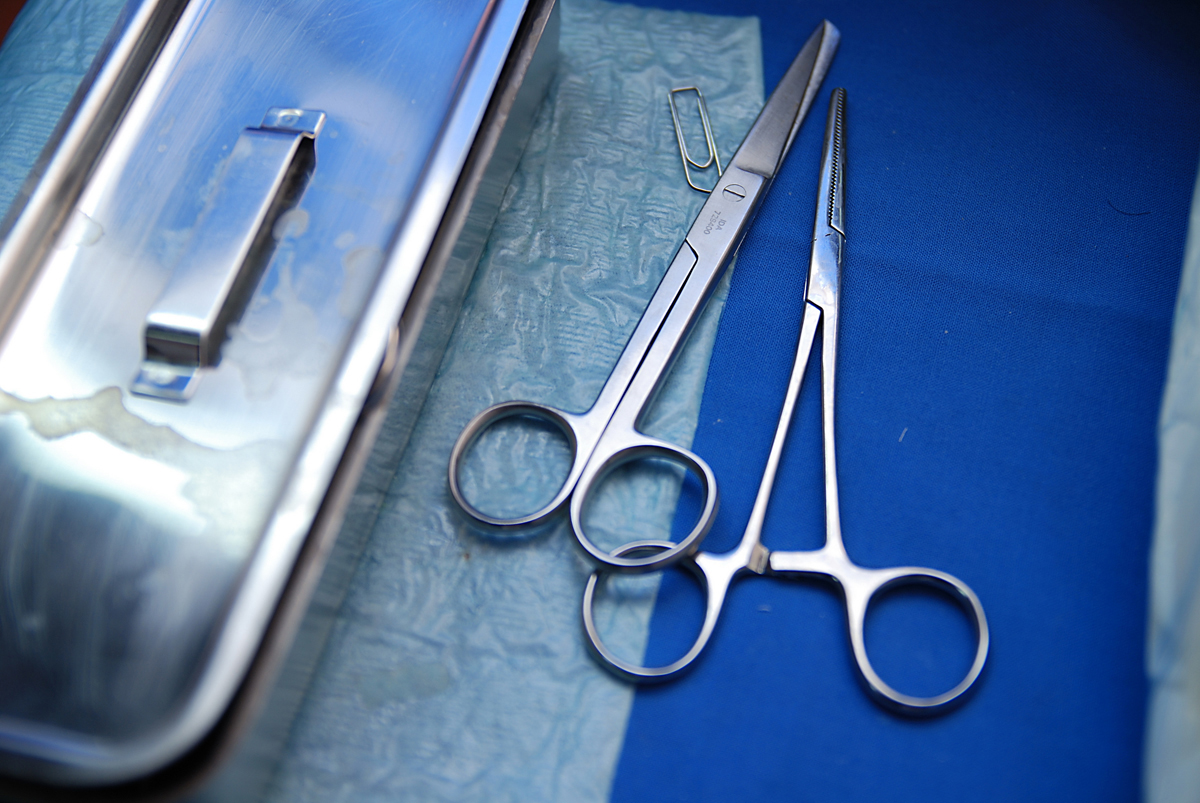
MYTH 5: Surgery or a tumour biopsy will cause cancer to spread
FACT: Although possible, the chances of this occurring are extremely low. Your surgeon follows a strict set of procedures and takes steps to prevent this from happening when he or she is performing a biopsy.

MYTH 6: If someone in my family has cancer, I am likely to get it too
FACT: About five to ten per cent of cancers are caused by inherited genetic mutations. A strong family history of cancer puts you at a higher risk of developing it. However, this does not imply you will definitely get cancer later in life. For cancer to develop, other factors such as ageing, smoking, and radiation play a part as well.

MYTH 7: I am safe from cancer because no one in my family has had it
FACT: About 1 in every 4 to 5 Singapore residents, male or female, is likely to develop cancer during in his or her lifetime. Cancer is caused by genetic mutations that occur within the cells. You may have inherited the gene mutation from your parents. However, gene mutations can also occur from factors such as exposure to smoking, radiation, other cancer-causing substances, and even viruses. Other risk factors such as obesity and diabetes can also increase your risk of developing cancer.

MYTH 8: I get cancer from dyeing my hair
FACT: At the moment, there is no conclusive proof that using hair dye increases cancer risk. Some studies show that people who are regularly exposed to hair dye, like hairdressers and stylists, might have a higher risk of developing cancer. However, it is not known how much hair dye might increase this risk.

MYTH 9: Cancer treatment will bankrupt me
FACT: Besides coping with the reality of a cancer diagnosis, you may also worry about treatment costs. Fortunately, financial assistance and aid are available to help you tide through this difficult period.